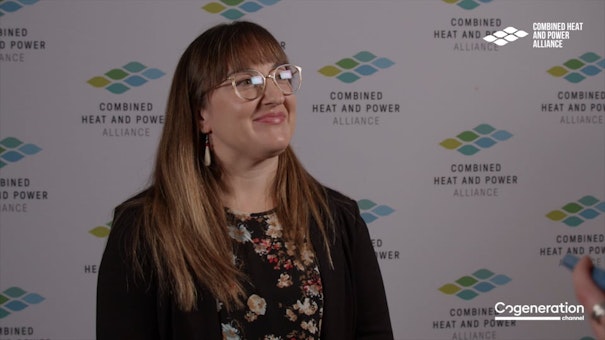
Cogeneration in the U.S. Southeast
The new U.S. administration has introduced significant changes to climate targets, which naturally impact states in the Southeast, such as North Carolina, where the clean energy standard has been expanded to include new technologies, including nuclear. Combined heat and power (CHP) continues to play an important role, contributing both electric and thermal credits. Several CHP incentive programs exist in the region, managed by gas utilities such as Atmos Energy in Mississippi and TECO Peoples Gas in Florida. These incentives can reach up to $1,000 per kW, supporting projects in industrial sectors as well. Learn more in this interview with Isaac Panzarella, Associate Director for Technical Services at the U.S. DOE Southeast Onsite Energy TAP.
Speaker
Next videos



Cogeneration in Romania between new investments and emerging challenges


The future of cogeneration in Europe: A new study on the way


Italy - Cogeneration and the Energy Efficiency Directive: New limits and Italcogen’s proposals