Colombia: turning oil palm residues into sustainable bioproducts
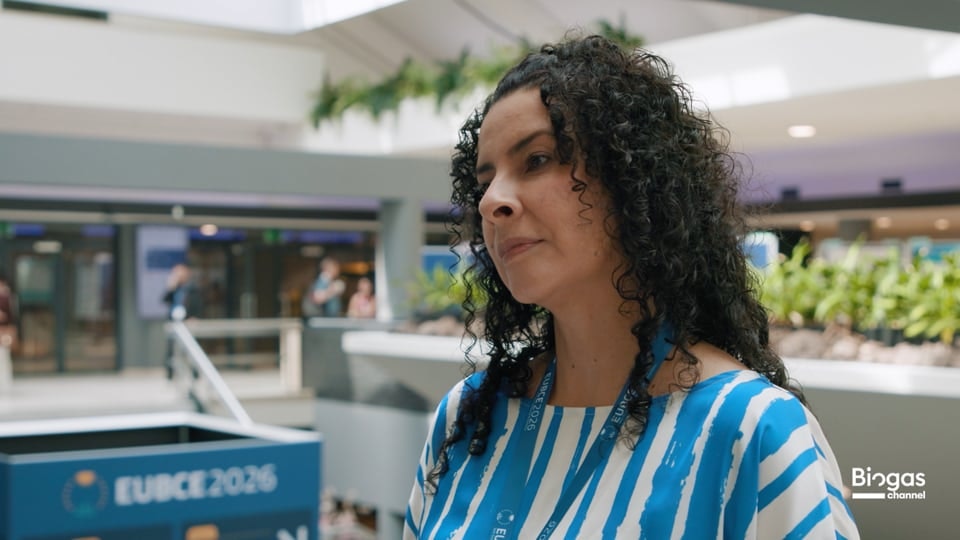
In this interview, Nidia Elizabeth Ramirez, PhD and Leader of the Biorefinery and Sustainability Area at Cenipalma, explains how the Colombian palm oil sector can transform residual biomass into a valuable resource for a sustainable bioeconomy. She highlights the potential of converting oil palm residues into bioproducts such as biomaterials and biofuels, creating new markets while addressing key environmental challenges, including land use and greenhouse gas emissions reduction. According to Ramirez, the valorisation of palm biomass represents an opportunity for Colombia to develop sustainable solutions, including pathways for Sustainable Aviation Fuel (SAF) production, contributing to the decarbonisation of the aviation sector and promoting a more circular use of agricultural resources.
Video collected during EUBCE 2026, in our capacity as Media Partner.





The latest


Digestate: A Resource Seeking Recognition

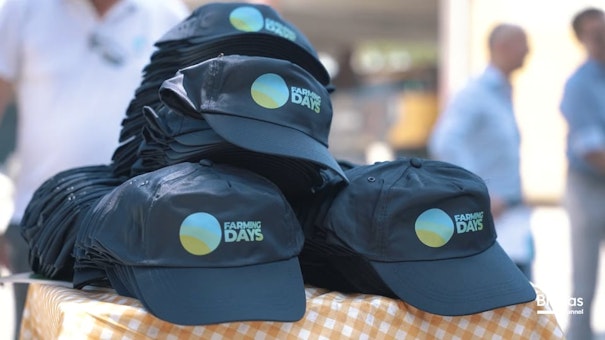
Farming Days 2026: Agricultural Biomethane Looks to the Future in Piedmont

Northern Ireland: The Role of Digestate in Improving Water Quality

Value4Farm, the European project for renewable energy in agricultural farms


New World Biogas Association report on the biogas sector in China

India: The Potential of Biogas from the Dairy Sector

Anaerobic Digestion and Sustainable Development in Emerging Countries





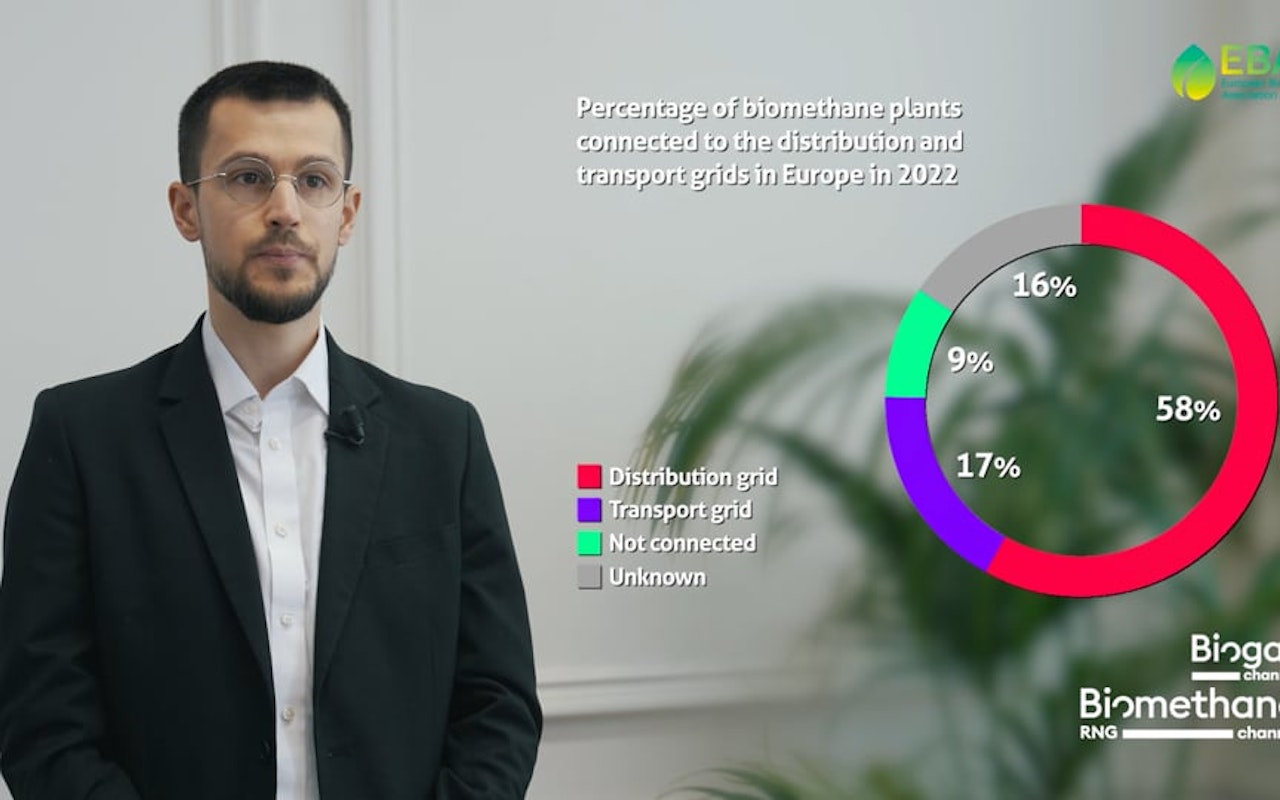


Case history
View all










Stay up to date on the world of biogas,
receive all the news directly in your inbox.
NetZero Tube: the path towards the energy transition
Climate change is a challenge and at the same time an opportunity. NetZeroTube collects ideas, insights, guides, experiences and interviews in the form of videos to accompany you on the path towards the energy transition. A path to take thanks to the energy of cogeneration, biogas and biomethane/RNG.