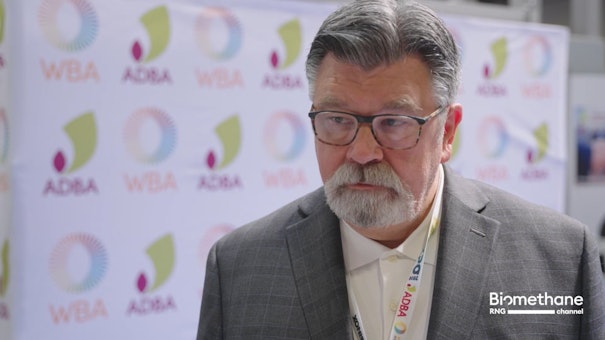
How biomethane is produced: a real-world example
In this interview, Charles Kane, Project Chief Executive Officer at Greengate Biogas, explains how one of Ireland’s largest biomethane plants operates. Biomass, manure and agricultural slurry are converted by microorganisms into biogas, which is then purified and upgraded into biomethane for injection into the gas grid. The process also produces digestate, a natural fertiliser that can help reduce the use of synthetic fertilisers. Charles also highlights the importance of using feedstocks sourced from local agricultural supply chains, helping to reduce transport distances and emissions while creating value for the local area. The Powerstone plant provides a practical example of how industrial-scale production can benefit from economies of scale, improving both efficiency and the economic sustainability of biomethane production.
Speaker



Next videos


Gas Networks Ireland: standardised connections and reverse grid compression for biomethane in Ireland

Optimising AD feedstocks: building efficient and sustainable plants

Biomethane infrastructure: finding the right path to grid injection