Colombia: turning oil palm residues into sustainable bioproducts
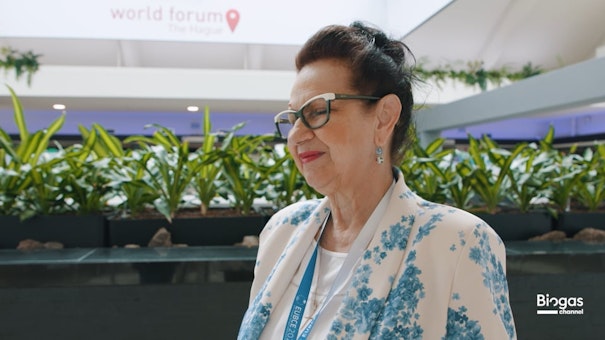
In this interview, Nidia Elizabeth Ramirez, PhD and Leader of the Biorefinery and Sustainability Area at Cenipalma, explains how the Colombian palm oil sector can transform residual biomass into a valuable resource for a sustainable bioeconomy. She highlights the potential of converting oil palm residues into bioproducts such as biomaterials and biofuels, creating new markets while addressing key environmental challenges, including land use and greenhouse gas emissions reduction. According to Ramirez, the valorisation of palm biomass represents an opportunity for Colombia to develop sustainable solutions, including pathways for Sustainable Aviation Fuel (SAF) production, contributing to the decarbonisation of the aviation sector and promoting a more circular use of agricultural resources.
Video collected during EUBCE 2026, in our capacity as Media Partner.
Speaker


Next videos


Value4Farm, the European project for renewable energy in agricultural farms

Bioenergy and social acceptance: Why community engagement makes a difference

Romania: biogas production from biomass on post-mining land